
MT LEBANON STREETSIDE SEED MIX
A special mixture of Western PA natives, curated by Move Lebo for Mt. Lebanon. These plants are selected to withstand deer, salt, and dry heat once established - making them the perfect roadside mix (or any other sunny spot, really). A restrained palette of 4 species creates repetition and an intentional look. These species top out around 36 inches max to maintain visibility for pedestrians.
planting instructions
These seeds will have the best chance of success if planted early spring, allowing them to sprout with the spring rains before the summer heat. The bulk of the seeds in this mixture need light to germinate, so you can sprinkle them on top of the soil without burying them.
CONTENTS
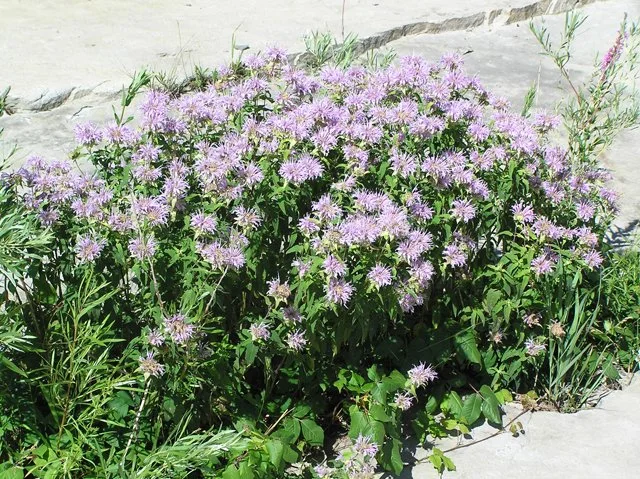
This hardy perennial is easy to start from seed, and it’s minty scent makes it unappealing to rabbits and deer. A full sun lover, Wild Bergamot can tolerate a range of soils, and is drought tolerant once established. It’s pom-pom like flowers are valuable to native bumble bees.
WILD BERGAMOT
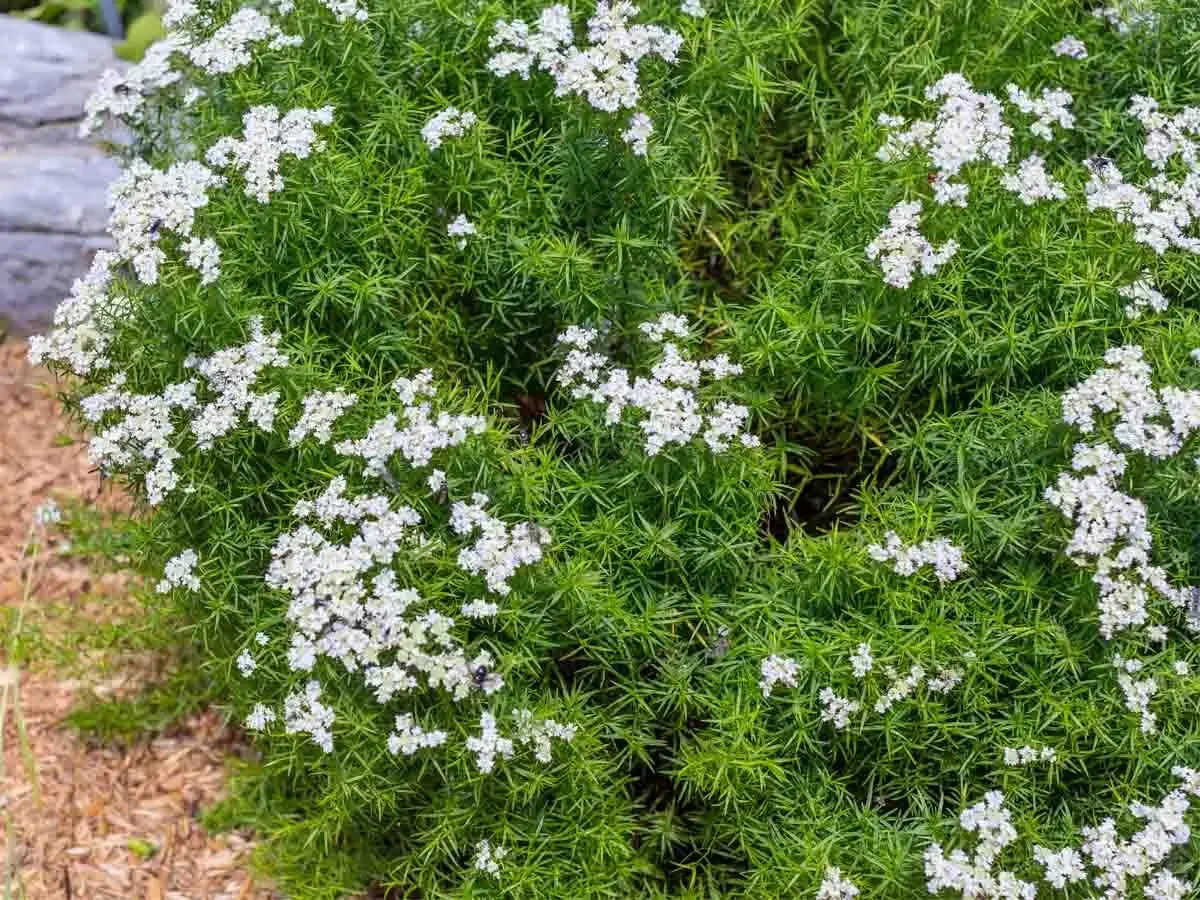
Clumping, 20-30 in perennial with slim leaves resembling rosemary and white flowers. Loved by bees! Great for dry/rocky areas.
SLENDER MOUNTAIN MINT

Short stature, compact growth, drought tolerance, long bloom period, and deer resistance are what made us select Aromatic Aster for the Lebo seed mix. In addition, aster is one of the few native PA plants which blooms in the fall, adding seasonal interest.
Aromatic aster
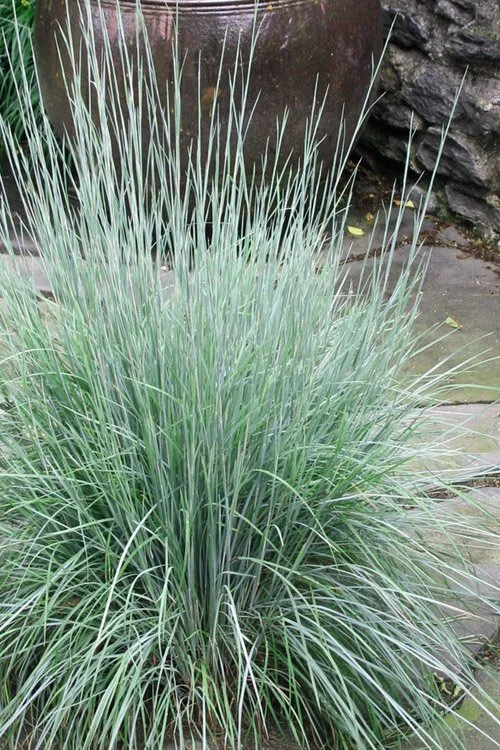
A prairie grass - little bluestem is very well suited to drought like conditions and dry areas. It is a host plant to many butterflies. This plant gives texture and variety to the mix, and adds seasonal interest with bronze color in the fall.
LITTLE BLUESTEM
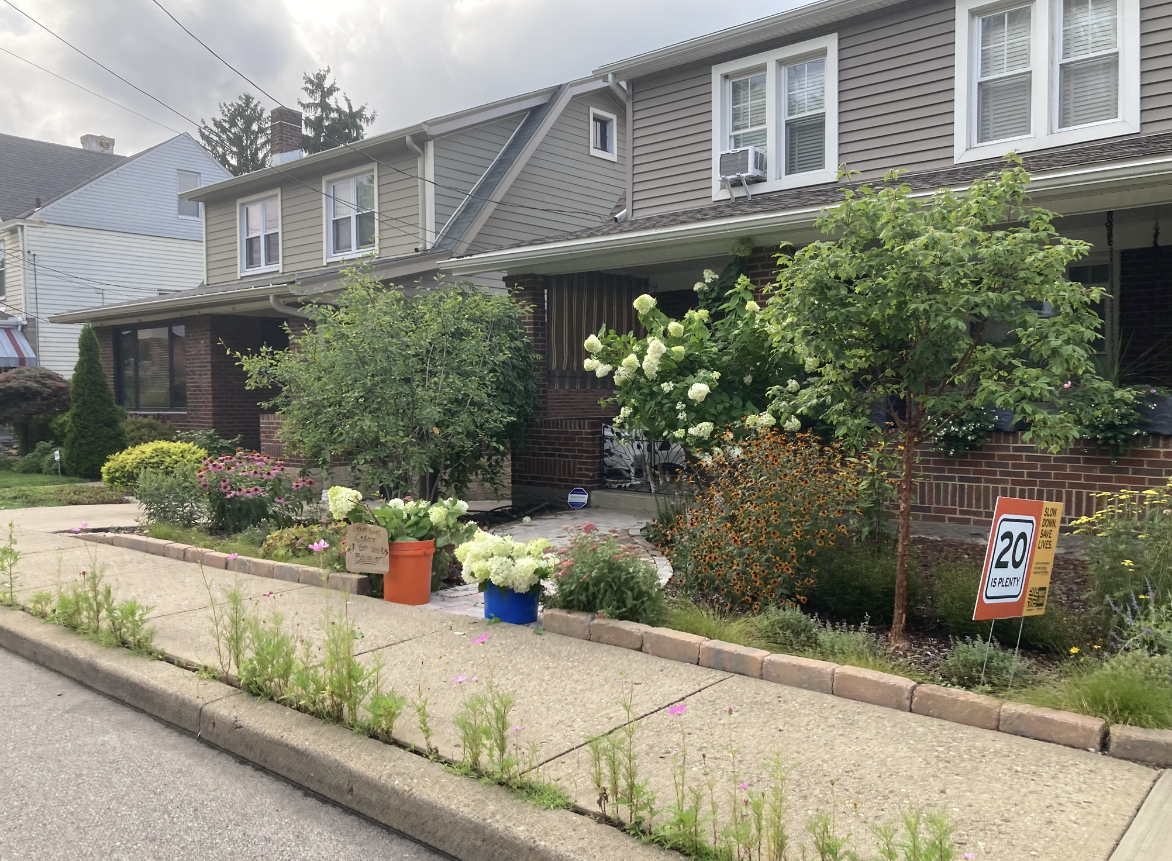
sidewalk crack mix
Don’t quite have a big area for roadside plantings but still would like flowers? We’ve got you covered. This sidewalk crack mix contains annuals which can grow in even the smallest of spaces - adding some beauty to your sidewalk or paved area. As with our perennial mix, these plants boast deer resistance. Spread seeds very sparsely - a handful of the mix contains hundreds of seeds.
planting instructions
Unlike our perennial mix, these annuals will need to be placed in the ground after the last frost - ideally mid to late May. For the first week or so, it helps to water the seeds daily to give them a head start, even though they can live in dry heat once established. It helps to mix these seeds with dry sand, if you have it. Once sprouts begin to come up, you’ll want to thin anywhere there is less than 3 inches between plants.
CONTENTS
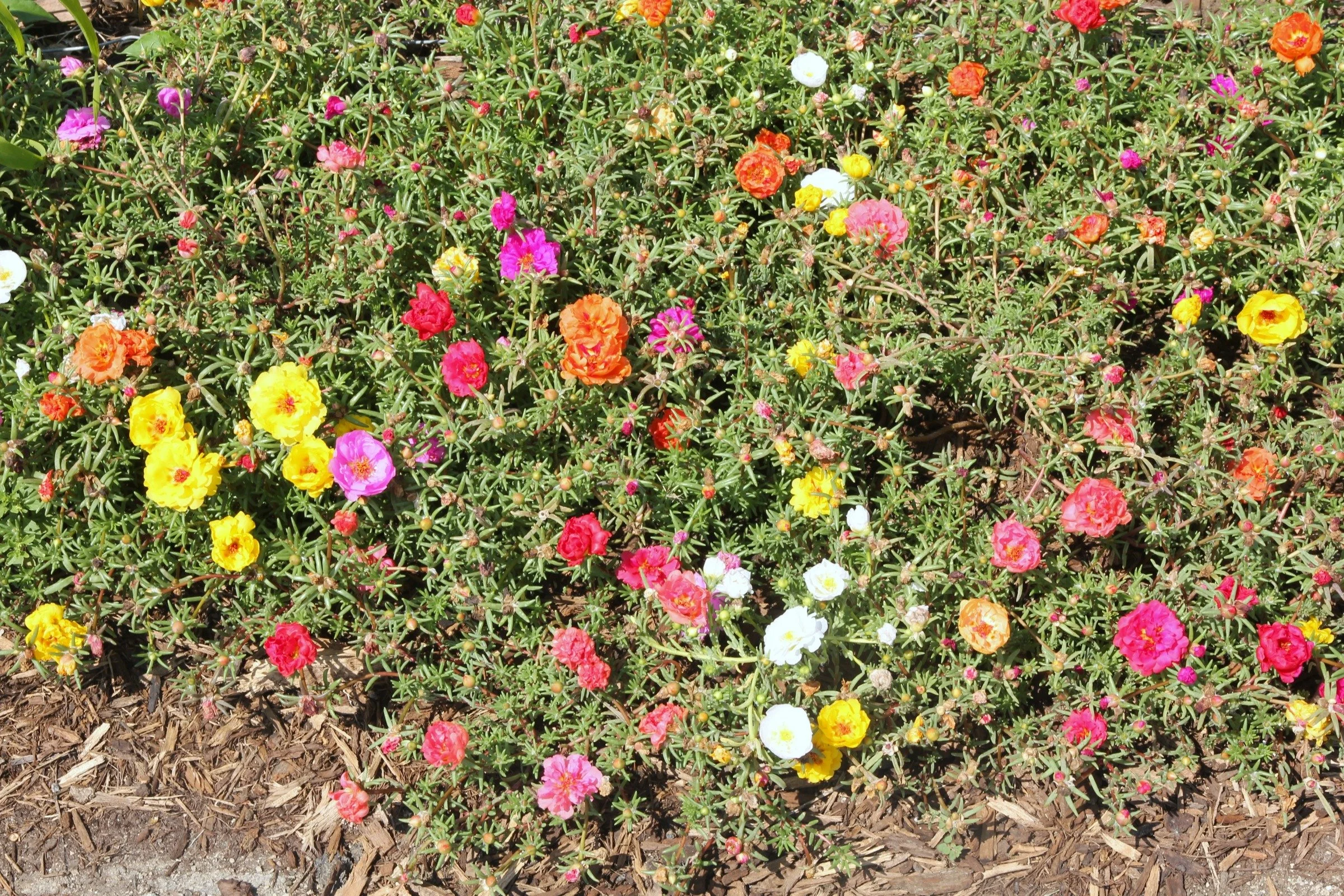
The earliest sprouters of the mix. Succulent like leaves thrive in rocky, hot gaps. Flowers more as it gets warmer over the summer.
Portulaca (Moss Rose)
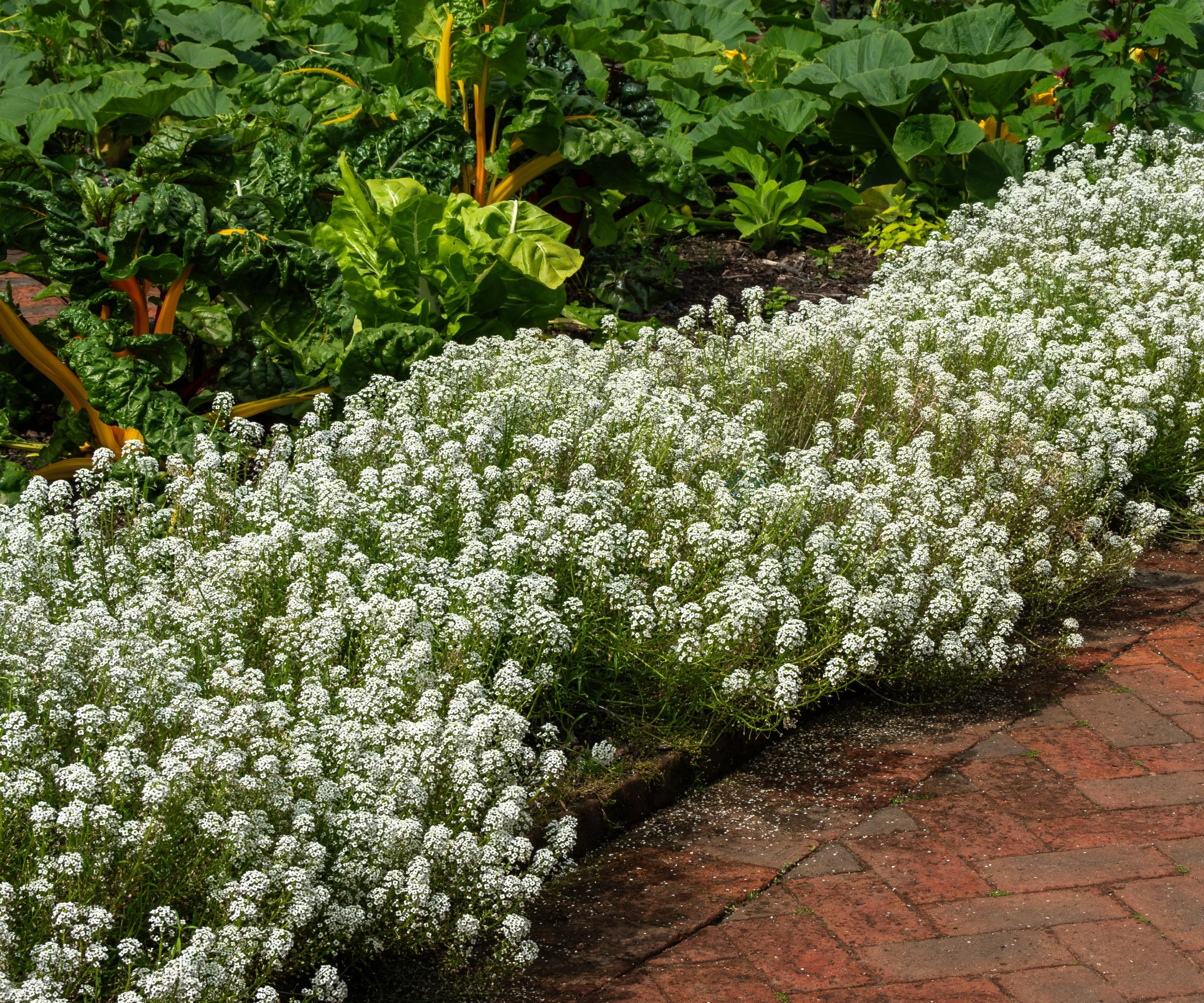
Will flower in about 30-40 days after sprouting. This mounding plant has clusters of tiny white flowers. Attractive to bees, butterflies, and other pollinators.
Sweet Alyssum
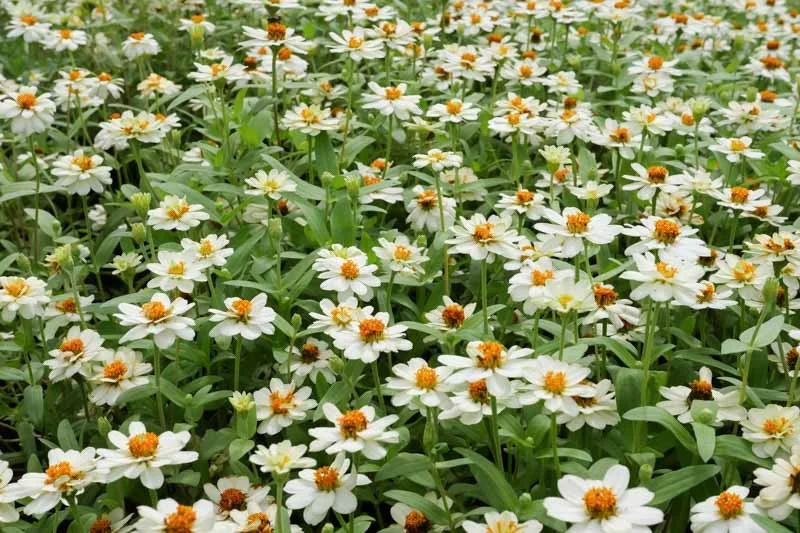
Narrow leaf Zinnia’s will begin flowering later in the summer, but continue into October. Narrow-leafed versions are disease-resistant and won't wilt when the sidewalk radiates heat. They also stay low and bushy unlike typical garden types.
Narrow Leaf Zinnia
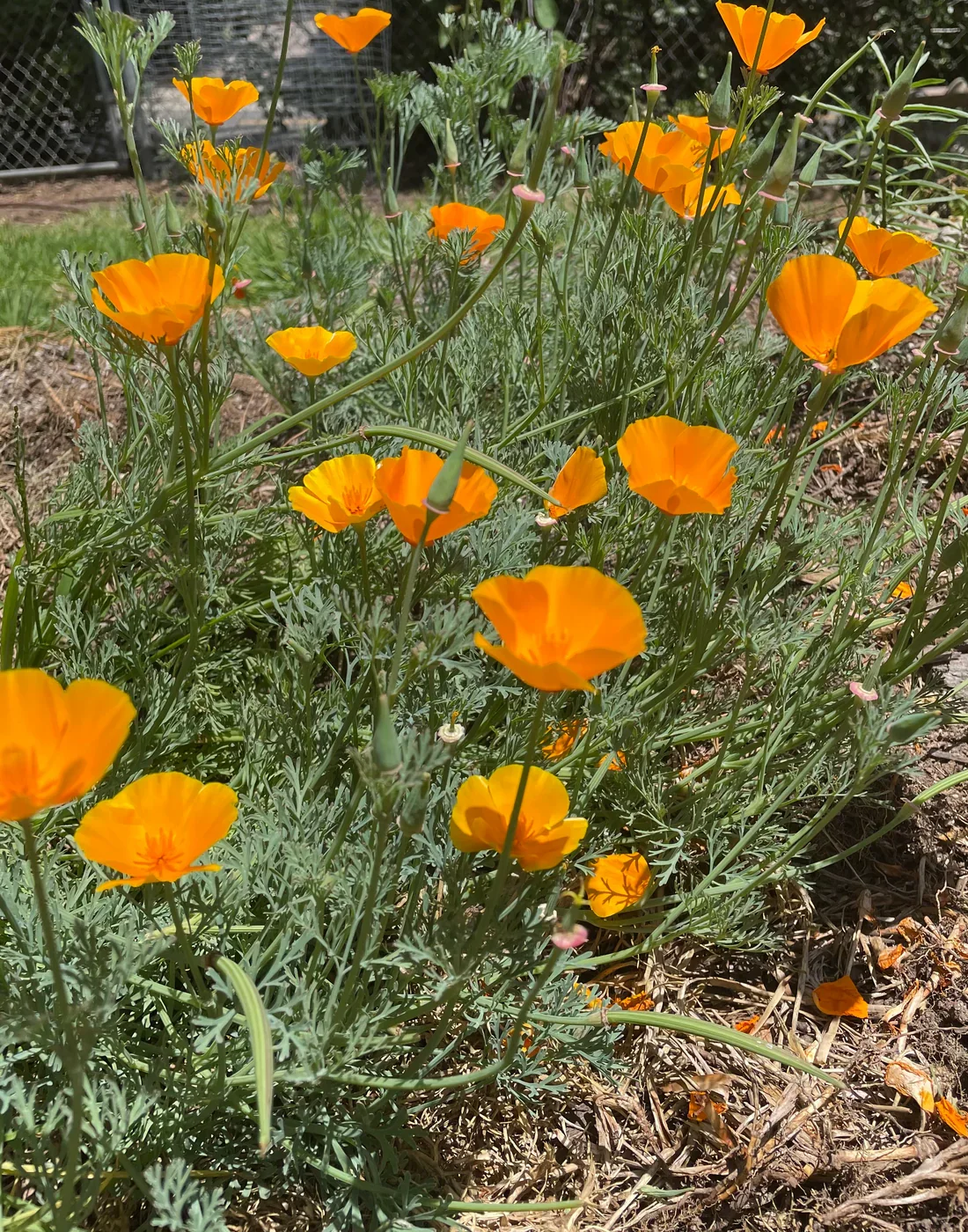
An uncommon flower for Western Pennsylvania, the California Poppy lends itself quite nicely to growing in sidewalk cracks, developing a deep taproot and thriving in dry heat. They’ll likely flower in August and September after developing their deep root system.
CALIFORNIA POPPY
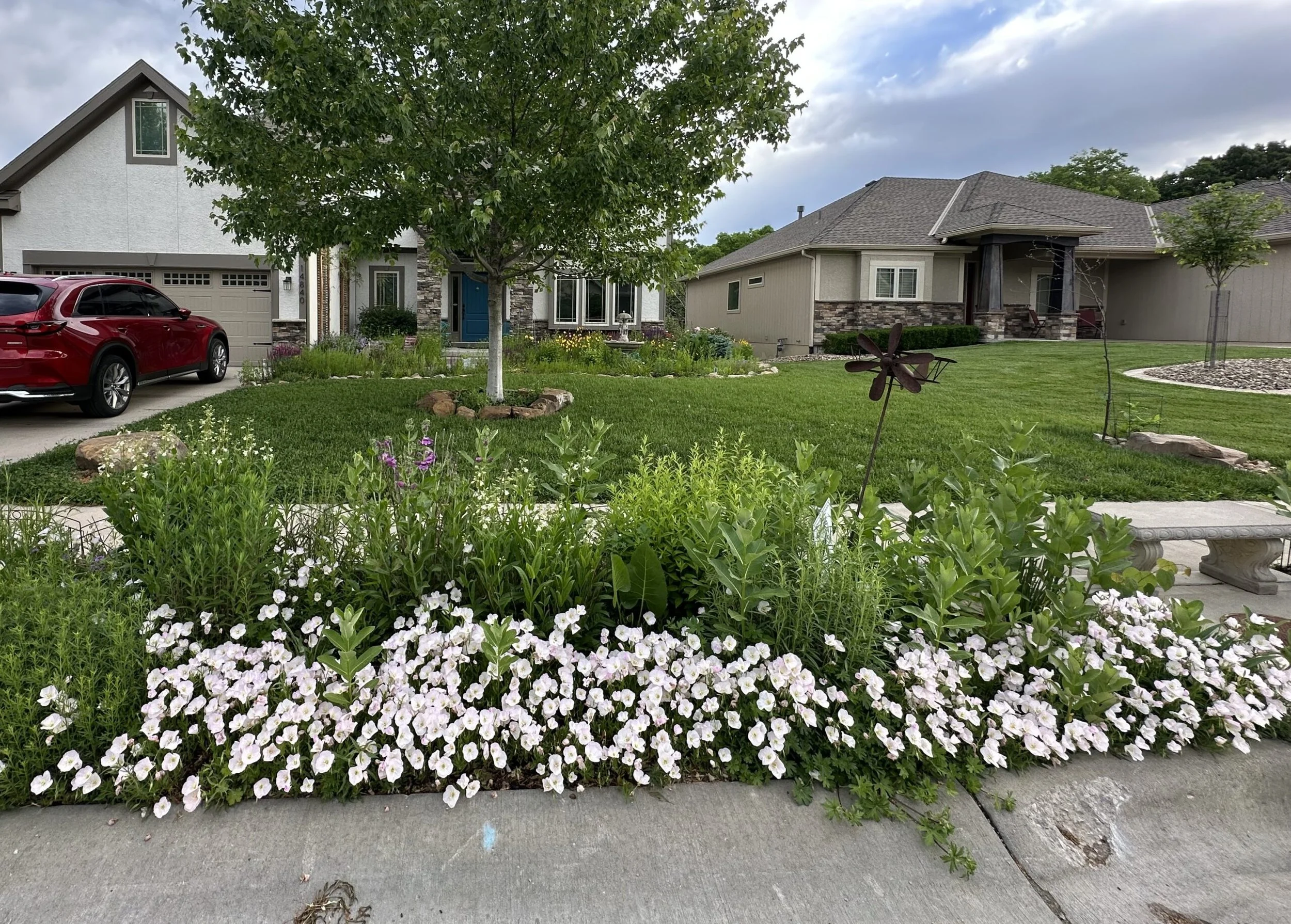
A western PA native, evening primrose is typically a biennial, but the showy evening primrose species is a perennial and will bloom in the first year if sown early. Like others in this mix, it develops a deep taproot. Showy evening primrose is actually a pioneer species, living in the most harsh, rocky, and dry locations.